Family Ties: Understanding Where Your “Normal” Comes From
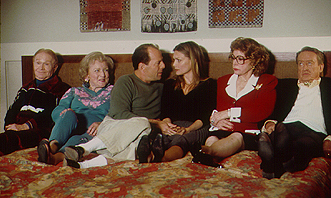
To you, yelling is just a spirited conversation. To him, it means you might leave him. To you, passive aggressive is the only way to let her know you’re upset. To her, pushing your buttons will do the trick. To me, “a lot” of family time is when we’ve hit the 72-hour mark. To you, it’s more like four.

Where do these internal gauges on “normal” come from? Oh, that unique blend of “crazy” in our families of origin.

We all have the crazy (of course!), and we need to get in touch with it. And then we mix that crazy with someone else’s. Madness! The way we were raised, the environment we grew up in, and the relationship models that surrounded us have a heavy impact on how we engage in our adult relationships later on. Understanding our family communication styles, emotion management skills, and foundational values can offer so many insights into the “why are you the way that you are?!” questions we wrestle with so often in relationships.
Let’s dig in here a bit. To become the most self-aware, authentic, dynamic partner you can be, you can’t ignore where you came from. After all, your mother is the way she is for a reason, too. Ask yourself a few questions:

-How did/does my family communicate? (Honest and direct? Indirect? Avoidant?)

-How did/do we deal with emotions? (Dismissive? Erratic? Unaware? Empathic?)

-How often do we talk/spend time together? (Three times a day? Monthly? Weekends?)

-What did/does your family value? (Spirituality, finances, health, time together, quiet, humor, sexuality, privacy, tradition?)

-What were/are their relationships like? (Married, divorced, enmeshed, distant, affectionate?)

Our family backgrounds, to an extent, can set the tone for relationship expectations. It’s why you might expect your partner to yell passionately in a fight to show you she really cares, but when she shuts down and cries you may not know how to respond to the softer feelings there. Or why you share lots of details with your sister, but he’s not in touch with his siblings at all. Now, just because your family might be a particular way when it comes to feelings doesn’t mean you have to be as well. All it takes is some self-awareness and intentionality to work on that.
The next time you notice a frustrating difference between you and your partner, remember there’s some context behind it. Ask a different question. Try voicing something more assertive with your feelings. The more you can name it, the less power it has over you. And the closer you become to your loved one. There is so much intimacy here!

You don’t choose the family you were born into, but you do get to choose the one you build with your partner.

Perhaps you’re on your way to changing the relationship models in your chosen family. That’s something to be proud of.

+ Leave a Comment

back to blog home

I’m Kimberly Sharky

AASECT-Certified Sex Therapist and Licensed Marital and Family Therapist

I offer relationship & sex coaching in my New York City office & Worldwide via Zoom

Newest Articles

L

Enliven Your Love:
Post-Pandemic Reset Edition

NEW PROGRAMS

New Programs for
Individuals & Couples

Enliven Your Love: The Parenthood Edition

Enliven Your Love: Post-Pandemic Reset Edition

Your tickets to reconnecting with yourself, your partner, and your relationship.

Free Community

Recalibrate Your Life & Relationship

Join the email community to recalibrate your life and relationship–Enliven Your Love. It's an intimate space for all conversations from parenthood, self-care, your career, to your relationships, and more.

"

Thanks! Keep an eye on your inbox for updates.

+ Add a Comment

0 Comments

Submit a Comment

Your email address will not be published. Required fields are marked *

 Want to Explore Working Together?

BROWSE COACHING AND THE PROGRAMS

$

Free Community

Join the email community to recalibrate your life and relationship.